The Payments Graduation
Flutterwave moved $40 billion through other people's banks, then got its own banking license. In 18 months, Paystack, Moniepoint, and Wave did the same. Four of Africa's largest payment processors now hold deposits and lend directly.
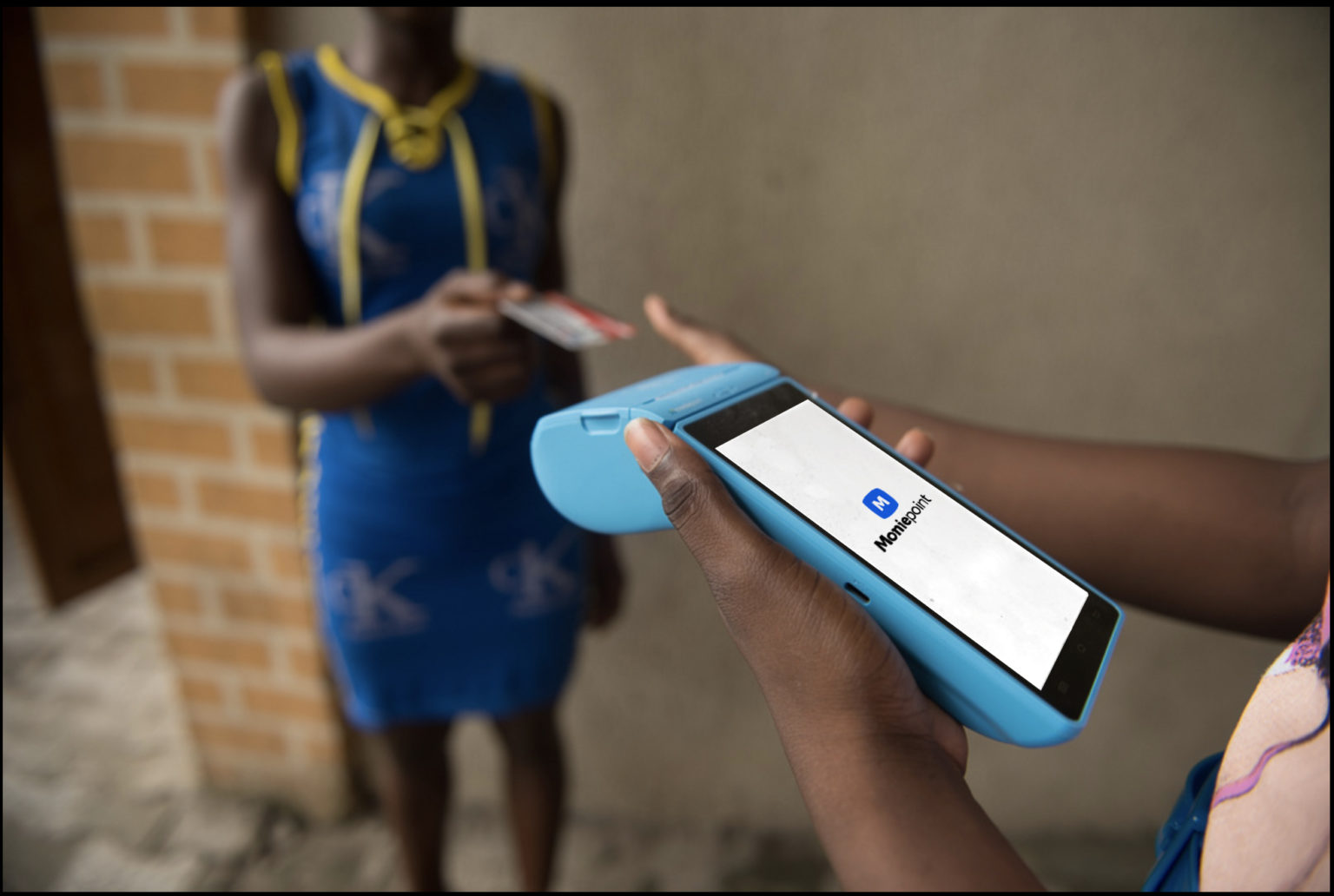
Photo: TechCabal
Africa's largest fintechs built massive payments businesses on top of other people's banks. Flutterwave processed $40 billion in transactions but couldn't hold a single deposit. Every settlement ran through a partner bank. Every margin was shared.
That dependency is ending. In April 2026, Flutterwave secured a microfinance banking license from Nigeria's central bank. In the prior 18 months, Paystack acquired Ladder Microfinance Bank, Moniepoint bought 78% of Kenya's Sumac bank, and Wave committed $35 million in capital for a full banking license. Four companies, four banking licenses, one pattern.
The economics made it inevitable. Transaction fees alone couldn't sustain growth against Nigeria's ₦13 trillion in unmet business financing demand. As Flutterwave's CEO put it: "Our destiny is now in our hands." The middleman era is over.
Our take
This is vertical integration, not disruption. Africa's payment processors hit the ceiling on transaction fees and absorbed the banks they once depended on. The shift means fintech-for-inclusion investments now carry bank-level concentration and consumer protection risk. Funders must add deposit safety and market power to their due diligence — access metrics alone no longer capture what these companies control.
What to do with this
Add deposit safety, capital adequacy, and market concentration metrics to every fintech-for-inclusion due diligence checklist this quarter. Flutterwave and Paystack now hold customer deposits — access-only scorecards miss the systemic risk these entities carry.
Apply full banking supervision — capital adequacy, consumer protection, deposit insurance — to every fintech that acquired or received a banking license in the past 18 months. These are no longer payment processors; they hold deposits and lend.
Renegotiate partnership terms with any fintech that just became a bank. They no longer need your bank partner for settlement. Open direct integration talks now or lose the distribution channel when they consolidate.
Go deeper
Related innovations
Daily intelligence
One named innovation per day. Free.
Sourced across health, climate, education, governance, and more — delivered in 2 minutes.