The Kitchen Loop
What if the fastest way to feed a million displaced people was to keep restaurants open? In Lebanon, a platform pays local kitchens $3 per meal to cook for shelters — 24,000 meals delivered, 80 restaurants activated, 70 jobs saved in the first week.
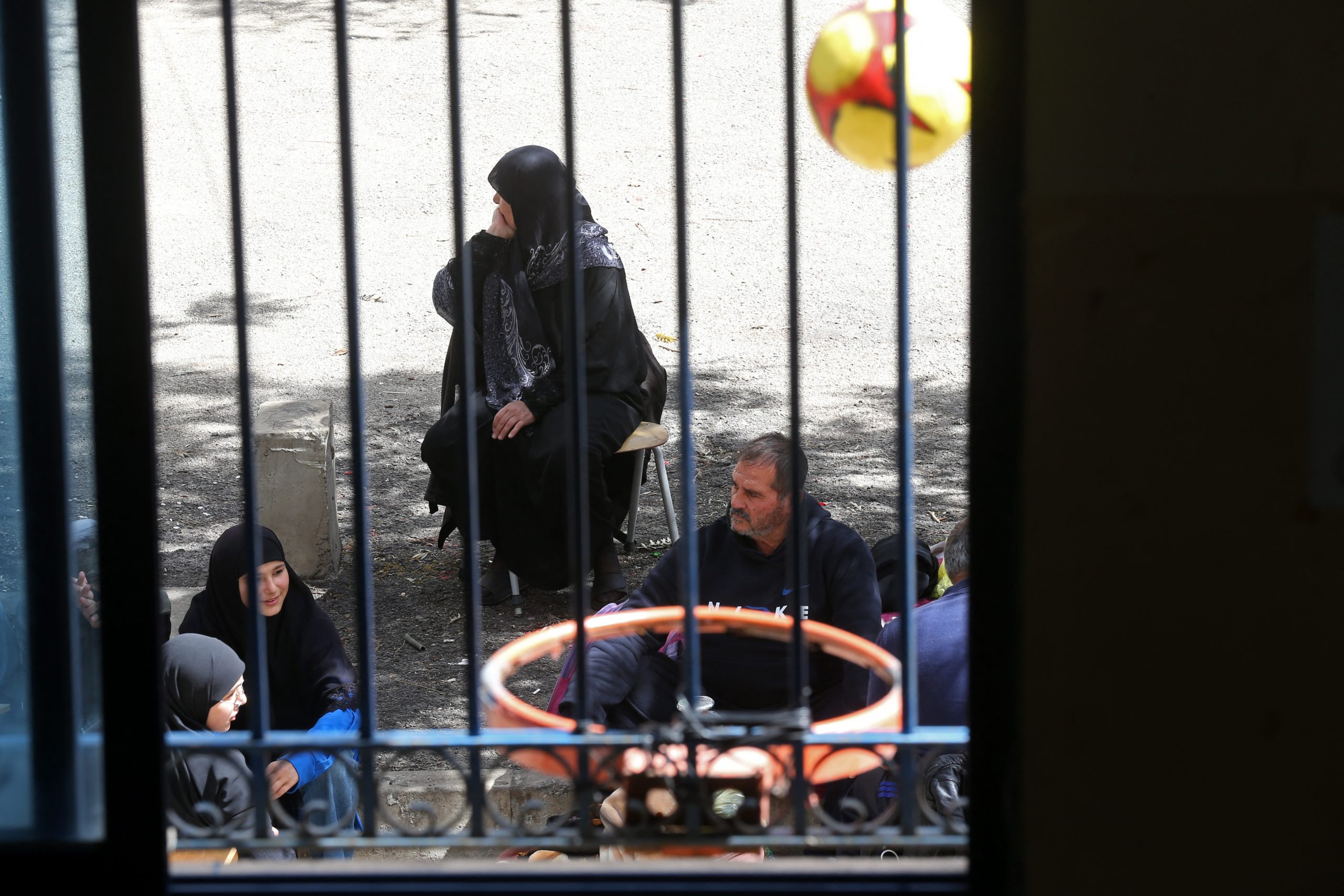
Photo: Mahmoud Zayyat / AFP
Lebanon's restaurant industry was already collapsing — 600+ closures in the last conflict, 80% reporting sharp sales declines. When a million people were displaced in March 2026, communities faced both a food crisis and an economic free-fall simultaneously.
Sofra, launched March 14 by the Ministry of Tourism, Siren Associates, and CME, matches donor pledges with restaurant capacity and NGO delivery routes in real time. Restaurants cook at a capped $3 per meal. Volume is deliberately spread across kitchens to maximize job preservation rather than consolidated for efficiency. NGOs confirm every delivery with photo verification; donors get live tracking.
Six days in: 10,000 meals to 11 shelters, 7 restaurants activated, 70 jobs saved. Within weeks: 24,000+ meals, $169,000 raised, 80 restaurants running, 75 more registered. The model has drawn attention from Reuters and regional media as a template for routing humanitarian dollars through local economic infrastructure rather than around it.
Our take
Sofra treats existing restaurants as pre-built humanitarian infrastructure — kitchens, staff, and delivery routes running at a fraction of capacity. Instead of building parallel supply chains, it routes donor money through local businesses, turning food aid into economic stimulus that preserves the commercial fabric communities need to recover. Crisis responders should map underutilized commercial capacity before building new delivery systems.
What to do with this
Map restaurant and food service capacity in crisis zones before procuring external supply chains. Sofra's $3/meal through existing kitchens is faster and cheaper than parallel logistics.
Structure crisis grants as local procurement — every dollar routed through a local kitchen preserves a job and a business, not just a meal. Demand grantees report on local economic multiplier, not just beneficiary counts.
Replicate the three-sided matching model (donor + provider + distributor) beyond food. The same architecture works for shelter, transport, and medical supply coordination in crisis contexts.
Go deeper
Related innovations
Daily intelligence
One named innovation per day. Free.
Sourced across health, climate, education, governance, and more — delivered in 2 minutes.