The Hydropower Leapfrog
In six years, Nepal went from 8% to 75% electric vehicle sales — second only to Norway. Now, as the Iran crisis sends oil past $200 a barrel, Nepali drivers pay $9 a day to charge while their neighbors pay $45 for diesel.
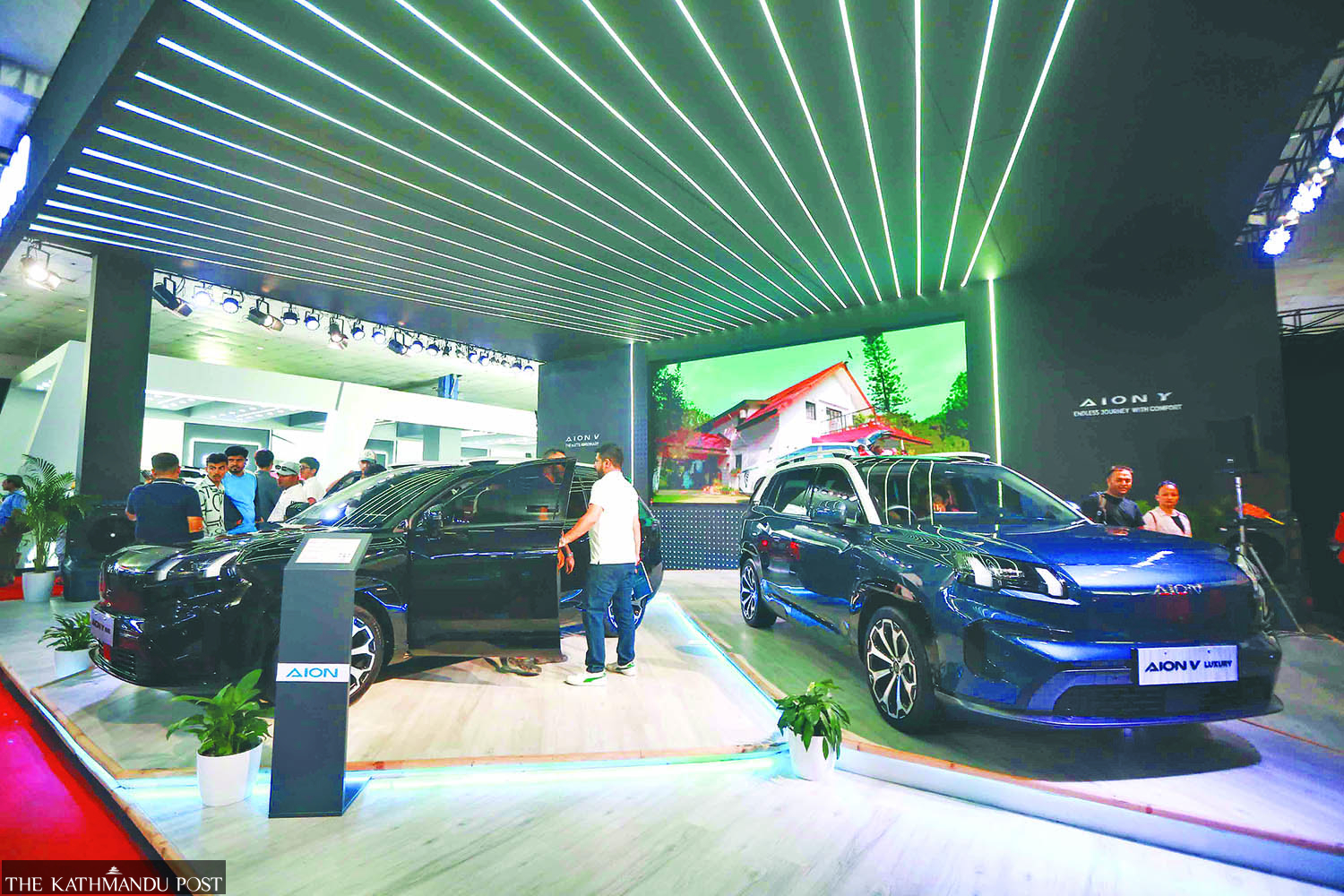
Photo: Kathmandu Post
Nepal's electricity is over 90% hydroelectric, yet the country imported $2 billion in fossil fuels annually. The Iran-Hormuz crisis pushed petrol to Rs 202 per liter — exposing every oil-dependent economy. Nepal was already insulated.
The mechanism: a 257% import tariff on ICE vehicles against 43% on EVs, plus 1% duty on charging equipment. The result was the fastest EV adoption outside Scandinavia — 8% of new car sales in 2019 to 75% in 2025. Nepal imported 7,434 EVs worth Rs 18.2 billion in eight months, with dealers reporting 50–60% booking surges since the crisis. The cabinet has now approved retrofitting existing ICE vehicles to electric.
Nepal isn't alone. Ethiopia banned ICE imports in 2024 and hit 60% EV share. Kenya's EV registrations surged 2,700% since 2022. Ember Energy calls it "The EV Leapfrog" — emerging economies skipping the fossil-to-hybrid transition entirely. The pattern: abundant renewables, tariff asymmetry, and an oil shock that proves the thesis.
Our take
This is an energy-sovereignty play dressed as climate policy. When a country pairs abundant renewables with punitive ICE tariffs (257% vs. 43% for EVs), adoption doesn't crawl — it flips. The real shift: oil shocks are no longer symmetric. Countries that electrified transport early are functionally insulated from fossil fuel crises, while oil-dependent neighbors absorb the full blow. Expect Nepal's playbook — hydro plus tariff asymmetry — to become the default template for small, import-dependent economies.
What to do with this
Model Nepal's tariff asymmetry: 257% on ICE vs. 43% on EVs flipped the market in under 6 years. Countries with domestic renewables (hydro, solar, geothermal) should draft differential tariff schedules now — the Iran crisis proves the insurance value.
Redirect transport decarbonization grants from vehicle subsidies to charging infrastructure and grid upgrades. Nepal's bottleneck isn't demand — it's 1,500 chargers for a country going 75% electric. Infrastructure is the binding constraint.
Finance EV retrofitting industries in countries that approved conversion policies but lack implementation (Nepal's cabinet approved it, zero vehicles converted). The retrofit market is stranded between policy and execution — bridge financing unlocks it.
Go deeper
Related innovations
Daily intelligence
One named innovation per day. Free.
Sourced across health, climate, education, governance, and more — delivered in 2 minutes.