The Generator Exodus
Nigeria has 22 million diesel generators — more backup power than its entire grid. Now solar panels are paying for themselves faster than a tank of diesel, and Africa's biggest oil producer is abandoning the machines that kept its lights on.
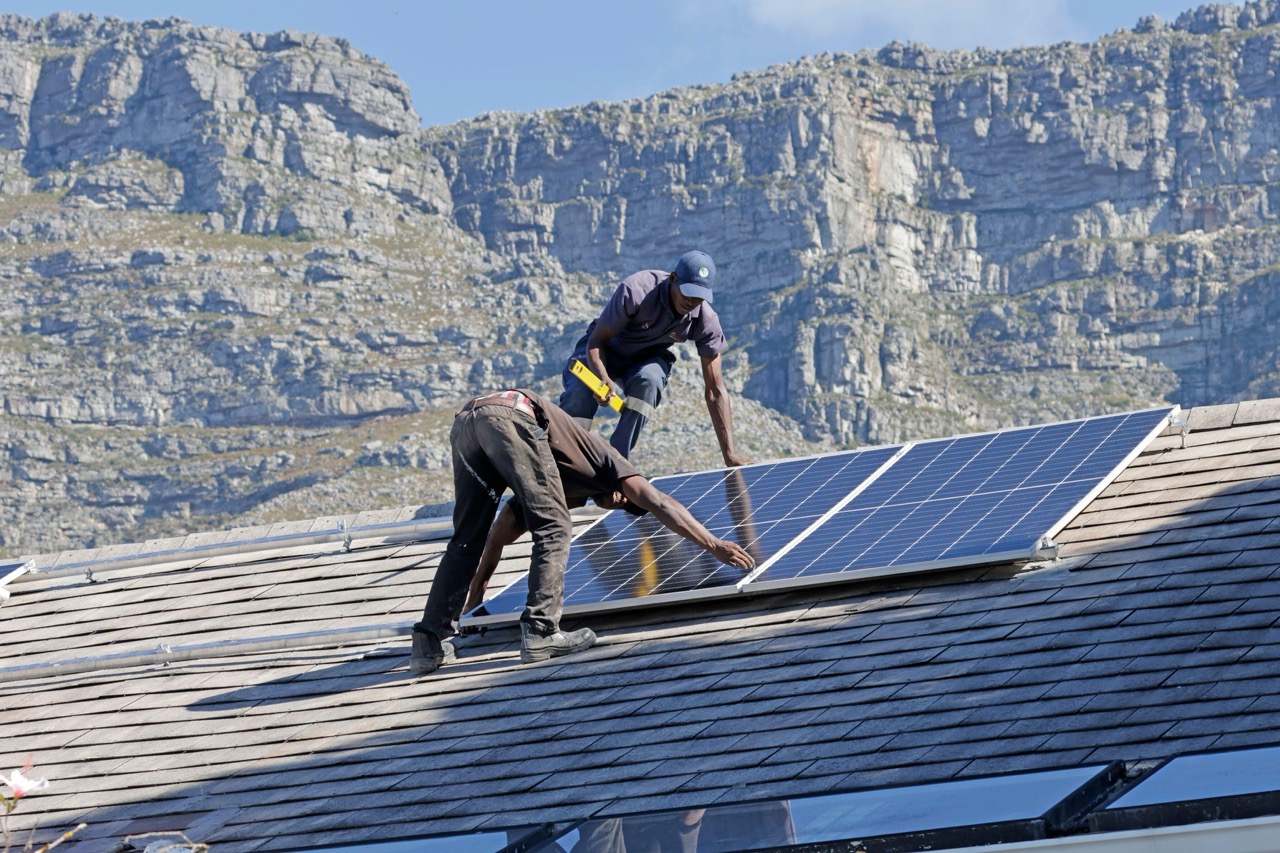
Photo: Ember / Suretha Rous / Alamy
Nigeria runs on 22 million diesel generators — together producing more electricity than the national grid — while households and businesses spend $5 billion a year on fuel. The grid delivers just 4,000 MW for 220 million people.
The math is changing. Africa's solar installations jumped 54% in 2025; Nigeria became the continent's second-largest solar importer, bringing in 1,721 MW of panels — up two-thirds in a year. A 420-watt panel costs $60 and recoups that against diesel in six months. Sun King has sold 2 million kits across the country, backed by an $80 million IFC loan.
The World Bank's $750 million DARES program targets 17.5 million Nigerians and the replacement of 280,000 generators. The 2026 oil shock pushed diesel prices higher still — turning already-favorable solar economics into an obvious choice. Africa's biggest oil producer is walking away from the machines that kept its lights on, not because of climate commitments, but because the generators stopped making financial sense.
Our take
This is an incentive realignment innovation, not a climate policy win. When a single solar panel recoups its cost against diesel in six months, the switch stops being ideological and becomes arithmetic. The implication: the fossil-fuel-to-solar transition in off-grid markets won't be driven by carbon targets or donor programs — it will be driven by fuel price shocks making the old technology economically irrational. Funders and governments still designing subsidy programs for solar adoption may be solving a problem the market is already fixing.
What to do with this
Shift solar investment from hardware subsidies to pay-as-you-go financing infrastructure — the economics already work, but upfront cost remains the barrier. Sun King's $80M IFC loan for Nigeria is the model.
Fast-track DARES-style performance-based grants that pay private developers per connection, not per panel shipped. Nigeria's $750M World Bank program targets 17.5 million people — replicate the mechanism, not just the budget.
Treat recycled diesel generators as an emerging waste stream. Nigeria will decommission millions of units this decade — build the collection, refurbishment, and recycling infrastructure now before it becomes a disposal crisis.
Go deeper
Daily intelligence
One named innovation per day. Free.
Sourced across health, climate, education, governance, and more — delivered in 2 minutes.