The Fintech Passport
Expanding a fintech across Africa costs $2 million per country in licensing fees. Three bilateral deals between central banks now let one license work in two countries — cutting market entry from months to paperwork.
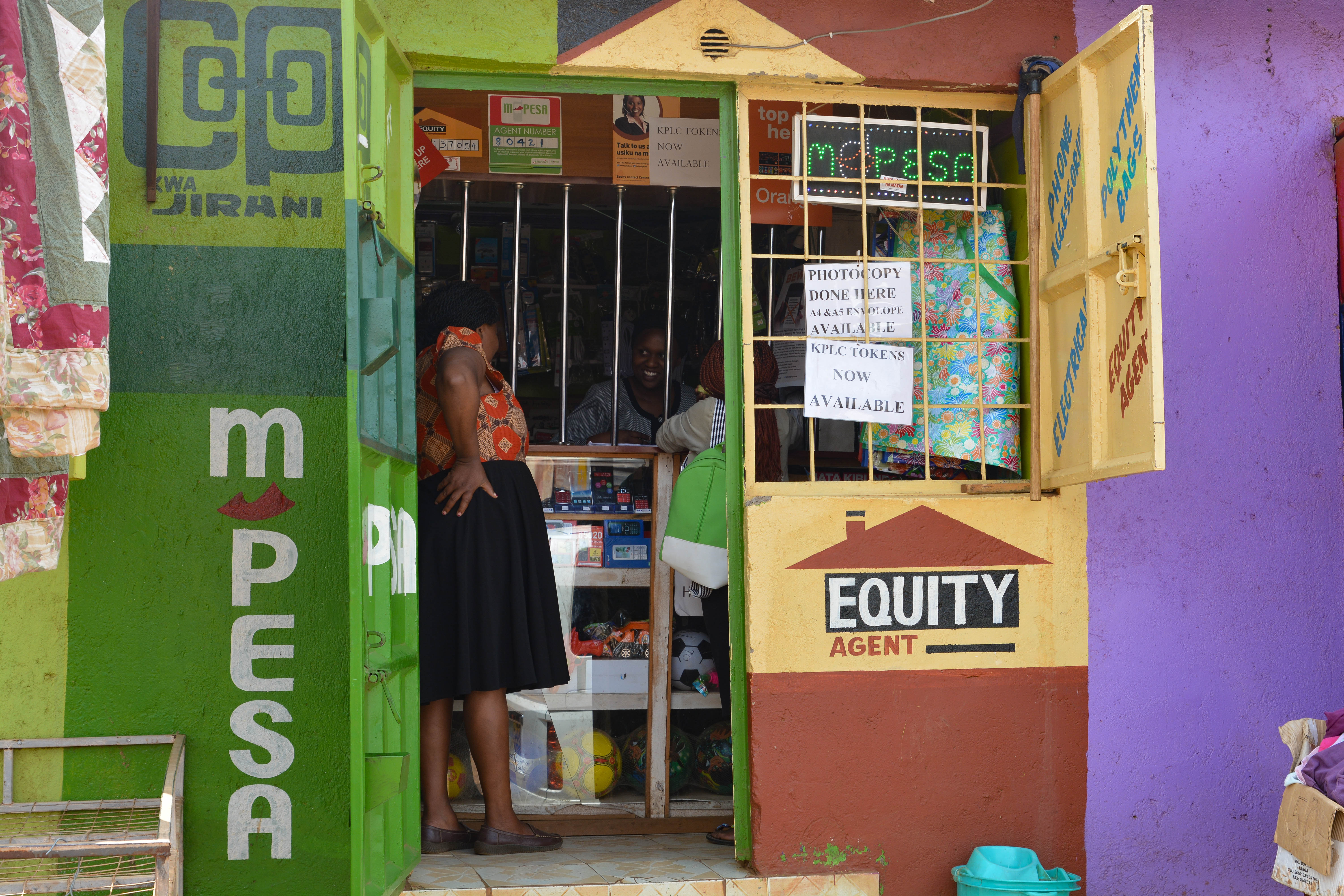
Photo: Fiona Graham / WorldRemit
Africa's $329 billion cross-border payments market runs on local licenses. A fintech operating in Lagos must spend $2 million and months of compliance work to serve customers in Nairobi — then do it again for every new country. The result: digital finance stays trapped inside borders while demand for cross-border services grows.
Three pairs of central banks have signed bilateral passporting agreements. Ghana and Rwanda went first in February 2025. Kenya and Rwanda followed in 2026. Now Nigeria's CBN — where 62.5% of surveyed stakeholders support passporting — is proposing corridors with four more countries. One license, two markets, no re-application.
The model is deliberately incremental: country pairs first, regional blocs next, continental later. Three deals in 14 months proves the pattern holds. Africa is building its financial integration not through a single grand framework, but two handshakes at a time.
Our take
This is regulation-as-infrastructure: instead of waiting for 54 countries to harmonize, central banks are building interoperability two nations at a time. The shift means financial integration no longer depends on continental consensus — it depends on which country pairs sign next. Funders should back bilateral technical assistance over pan-African frameworks; practitioners should design multi-country programs around corridors that already exist.
What to do with this
Redirect $500K from pan-African harmonization grants to bilateral technical assistance. Fund the legal and compliance teams inside specific central banks negotiating the next country-pair deal — each signed agreement unlocks a live corridor.
Initiate a bilateral passporting negotiation with your largest remittance corridor partner this quarter. Nigeria's CBN is already proposing deals with four countries — central banks not at the table are locking their fintechs into $2M-per-market re-licensing while neighbors walk through.
Redesign financial inclusion programs around the Ghana-Rwanda and Kenya-Rwanda corridors now. A savings app licensed in Accra can serve Kigali users today — build multi-country digital finance programming on corridors that already exist, not ones under negotiation.
Go deeper
Daily intelligence
One named innovation per day. Free.
Sourced across health, climate, education, governance, and more — delivered in 2 minutes.