The $40 Shield
A twice-yearly injection prevents HIV with 100% efficacy in women and 96% in men. The US price: $28,000. The generic price for 120 low-income countries: $40 a year.
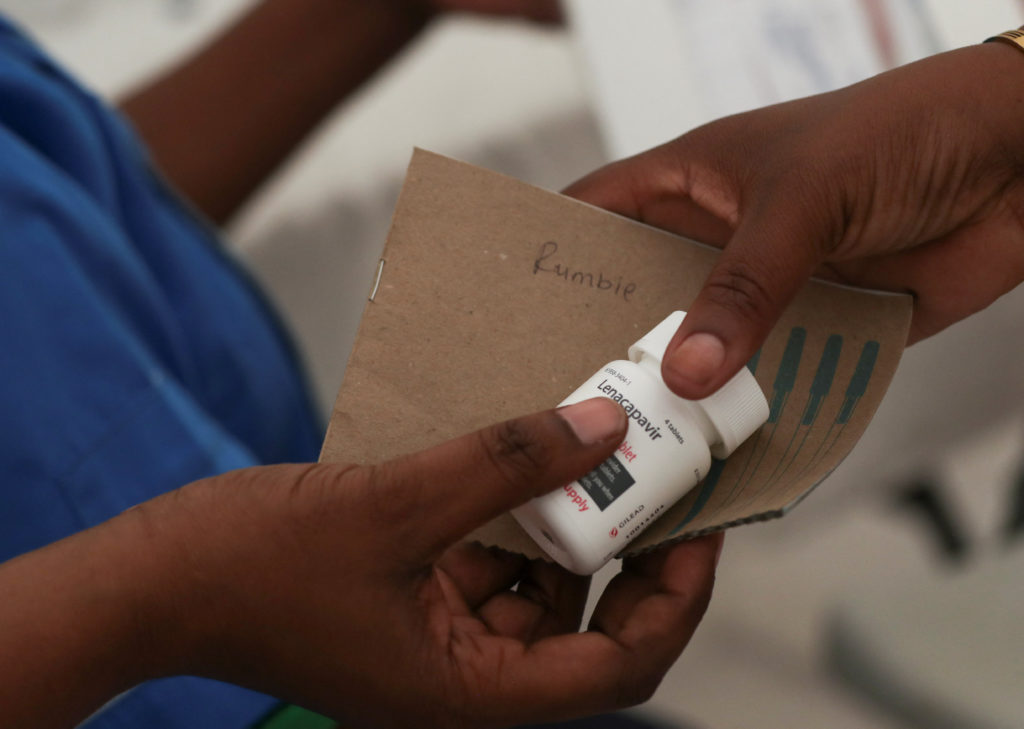
Photo: Reuters / PBS NewsHour
Thirty-nine million people live with HIV worldwide. Daily PrEP pills work, but adherence is brutal — especially for adolescent girls and sex workers who face the highest risk. Zimbabwe still has 1.3 million people living with HIV despite cutting prevalence from 34% to 12% over two decades.
Lenacapavir changes the math. Two injections a year. The PURPOSE 1 trial recorded zero infections among 5,300 women in Uganda and South Africa — 100% efficacy. PURPOSE 2 showed 96% reduction in men and gender-diverse participants. WHO's Tedros called it "the next best thing to a vaccine."
Zimbabwe became the first country to launch a national rollout, targeting 46,000 high-risk individuals across 24 sites. South Africa follows with a $29 million program covering 450,000 people. PEPFAR will distribute in 8-12 countries in 2026. Generic versions will cost $40/year in 120 low-income countries starting 2027 — down from $28,000 in the US.
Our take
This marks a shift from innovation constrained by science to innovation constrained by access. The breakthrough isn't the molecule — it's the licensing architecture that collapses cost by 700x. Expect future global health scale-ups to hinge less on discovery and more on negotiated distribution. Funders should reallocate attention from pipelines to access deals.
What to do with this
Prioritize licensing negotiation capacity over R&D grants. The bottleneck isn't discovery — it's getting $28,000 products to $40.
Build fast-track regulatory pathways for generics now. Countries with pre-approved frameworks will get access 12-18 months earlier.
Redesign adherence programs around biannual injections, not daily pills. Community health worker models need restructuring for twice-yearly contact points.
Go deeper
Related innovations
Daily intelligence
One named innovation per day. Free.
Sourced across health, climate, education, governance, and more — delivered in 2 minutes.